

The most trusted news from Puerto Rico
Provided by AGP
Adopting Care Management Platforms: Strategic Advantages in the ACCESS Model Revolution
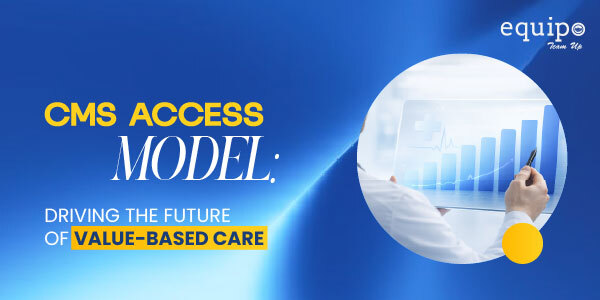
The CMS ACCESS model is accelerating the shift to value-based care, driven by continuous engagement, data, and care management platforms.
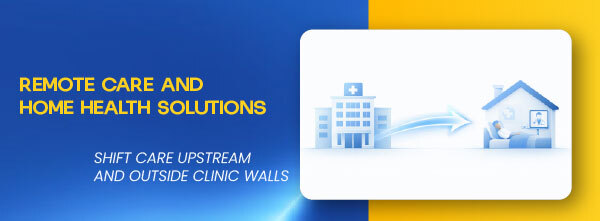
ACCESS accelerates remote care, bringing continuous, value-based healthcare into patients’ homes.
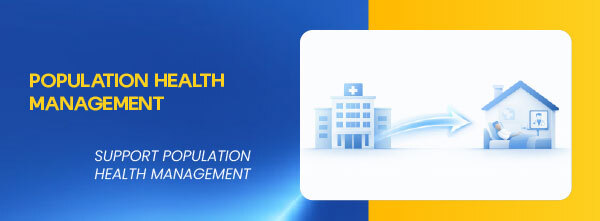
Population health shifts care from reactive treatment to proactive management.
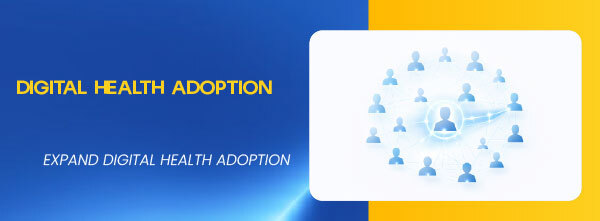
Digital health connects patients and providers for continuous, data-driven care.
The CMS ACCESS model shifts healthcare to continuous, outcome-driven care—making care management platforms essential for providers to adapt and succeed.
Ultimately, the ACCESS model defines a future of continuous, patient-centered care, powered by technology and strategic insight.”
SOUTH PLAINFIELD, NJ, UNITED STATES, March 2, 2026 /EINPresswire.com/ -- For decades, healthcare relied heavily on fee-for-service payments. Providers were paid for each visit, test, or procedure. Care was often reactive, and patients faced co-pays. Coordination across providers was limited, leaving gaps in chronic disease management and preventive care.— Parijat Bhattacharjee (CEO)
The CMS ACCESS (Advancing Chronic Care with Effective, Scalable Solutions) model signals a major shift. Patients no longer face co-pays for aligned services. Providers cannot bill traditional Part B claims for these patients. The emphasis moves to continuous engagement, preventive care, and data-driven clinical decision-making. The model creates both challenges and opportunities for providers, depending on their structure and approach to care.
Accountable Care Organizations (ACOs) appear best positioned to capitalize on this change. Their population health focus and experience in care coordination fit naturally with ACCESS’s goals. By adopting advanced care management platforms, ACOs can track patient risks, automate follow-ups, and generate predictive insights. This allows them to intervene early, reduce avoidable complications, and improve quality metrics. Over the next few years, organizations that integrate these platforms may see measurable gains in shared savings and patient satisfaction, while reinforcing long-term population health strategies.
Virtual care providers stand to gain even more. Their model of continuous, remote engagement aligns perfectly with the ACCESS framework. Platforms that consolidate patient data, provide real-time alerts, and automate virtual workflows allow these providers to scale care efficiently. Forecasts suggest that virtual-first organizations that fully leverage care management platforms could lead in patient retention, chronic disease outcomes, and operational efficiency, without the revenue disruption traditional fee-for-service providers face.
Hospital systems face a more complex landscape. Many rely heavily on outpatient fee-for-service revenue. ACCESS limits these streams, forcing hospitals to rethink care delivery. Here, care management platforms become critical. They enable post-discharge follow-ups, chronic condition monitoring, and early risk stratification to identify high-risk patients before complications arise. Hospitals that adopt these tools effectively can reduce readmissions, improve outcomes, and offset some of the lost revenue. Those that resist may struggle to maintain both financial and clinical performance.
At a strategic level, the ACCESS model shifts healthcare from episodic, volume-based care to continuous, outcome-driven delivery. It reduces financial barriers for patients, strengthens engagement, and encourages proactive management of chronic conditions. Providers gain access to richer data and analytics through care management platforms, enabling predictive interventions and more precise resource allocation. By supporting value-based care models, organizations can improve population health metrics, lower avoidable hospitalizations, and enhance care coordination. The model also incentivizes innovation, pushing providers to adopt digital tools, remote monitoring, and risk stratification strategies that strengthen both patient outcomes and operational performance.
The ACCESS model will also reshape provider decision-making and organizational priorities. Traditional revenue streams tied to fee-for-service encounters will decline, forcing hospitals and health systems to invest in care management platforms, data analytics, and patient engagement tools. Providers that embrace these technologies will be able to allocate resources more efficiently, identify gaps in care, and prioritize interventions that prevent costly complications. Over time, the model encourages a culture of continuous improvement, where clinical and operational decisions are guided by outcomes rather than volume.
In addition, the model will accelerate the adoption of remote patient monitoring and digital health solutions. By enabling real-time tracking of patient conditions and automated alerts, providers can engage patients proactively and reduce avoidable hospitalizations. A focus on risk stratification ensures that high-risk patients receive timely interventions, while lower-risk populations are supported through personalized coaching and self-management tools. This structured approach aligns financial incentives with patient outcomes, creating a sustainable framework for value-based care at scale.
Prince Mamman
Connect Care
+1 732-221-1050
email us here
Visit us on social media:
LinkedIn
Instagram
Legal Disclaimer:
EIN Presswire provides this news content "as is" without warranty of any kind. We do not accept any responsibility or liability for the accuracy, content, images, videos, licenses, completeness, legality, or reliability of the information contained in this article. If you have any complaints or copyright issues related to this article, kindly contact the author above.
